The 2026 Guinness Men’s Six Nations officially sparked into life this week as the six national captains gathered in Edinburgh for the annual launch event. Held against the dramatic backdrop of Edinburgh Castle and inside The Hub on the Royal Mile, the meet served as both a symbolic nod to rugby’s historic roots and a modern statement of intent ahead of one of the sport’s most prestigious tournaments. With coaches, captains, media, broadcasters, and content creators all in attendance, the atmosphere was one of excitement, anticipation, and renewed ambition for a championship that looks poised to be fiercely contested.
France captain Antoine Dupont naturally commanded huge attention, with France opening the tournament at home to Ireland in a fixture that already feels monumental. Having missed last year’s championship due to injury, Dupont spoke with calm confidence about returning to lead his side and insisted there was no lingering tension or pressure beyond the usual expectation that follows the reigning champions. Ireland’s Caelan Doris, meanwhile, acknowledged the challenges his squad faced with injuries and inconsistency over the past season but emphasised that Ireland had taken lessons onboard and would approach Paris with energy rather than fear. Head coach Andy Farrell echoed this sentiment, describing the Six Nations as a competition that demands resilience and precision from the first whistle.
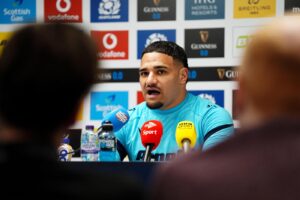
Scotland’s Sione Tuipulotu relished the honour of hosting the event in Edinburgh, reflecting on the nation’s deep connection to rugby and the pride the squad carries into the new campaign. He noted that Scotland have grown increasingly comfortable competing with the top teams and intend to use home energy to build momentum early. England were represented by vice-captain Jamie George after Maro Itoje’s absence due to a personal family tragedy. George delivered an emotional but composed message, speaking about cherishing every moment in the international jersey as he approaches the later stages of his career. He reinforced that England’s leadership group remains strong and that Itoje’s return will only deepen the team’s resolve.
For Wales, captain Dewi Lake spoke candidly about the turmoil surrounding the domestic game, acknowledging that off-field instability has put pressure on players and regions alike. But rather than seeing it as a distraction, Lake framed it as fuel, arguing that adversity has historically brought Welsh squads together. Italy’s Michele Lamaro rounded out the group with his consistent message of pride, development, and determination. Lamaro stressed that Italy enter every tournament with belief, but this year’s focus is on producing performances that match their ambition across all 80 minutes – not just in patches.
Beyond the formalities, the captains’ meet delivered an emotional layer to the upcoming championship. Itoje’s absence added a human dimension to England’s preparation, while Wales’ honesty regarding their internal challenges created empathy and intrigue. Many teams arrive with a mixture of optimism and vulnerability – France confident but under pressure, Ireland skilled but stretched, Scotland steadily rising, England emotionally bonded, Wales searching for stability, and Italy striving for credibility. The blend of these stories gives this year’s tournament an unpredictable and compelling edge.
With the captains photographed, the coaches interviewed, and the narratives set, the Six Nations now moves from ceremony to competition. The championship opens next week with France hosting Ireland in what already feels like a defining early fixture. If the energy and emotion of the captains’ meet are any indication, the 2026 Six Nations is shaping up to be a dramatic, high-quality, and deeply human sporting spectacle – one that will test leadership, resilience, and national pride from the very first kick-off.